Planning Funeral Procession Transportation: A Complete Guide for Seattle Families
Losing someone you love is one of life’s most difficult experiences. During this emotional time, coordinating the details of a funeral service can feel overwhelming. One important aspect that families often overlook until the last moment is funeral procession transportation – how to get family members, close friends, and mourners from the service to the cemetery or memorial site with dignity and grace.
This guide will walk you through everything you need to know about funeral procession transportation in Seattle, including what a funeral procession is, who should ride in family vehicles, legal considerations, costs, and how professional transportation services can ease the burden during one of life’s most challenging moments.
What Is a Funeral Procession?
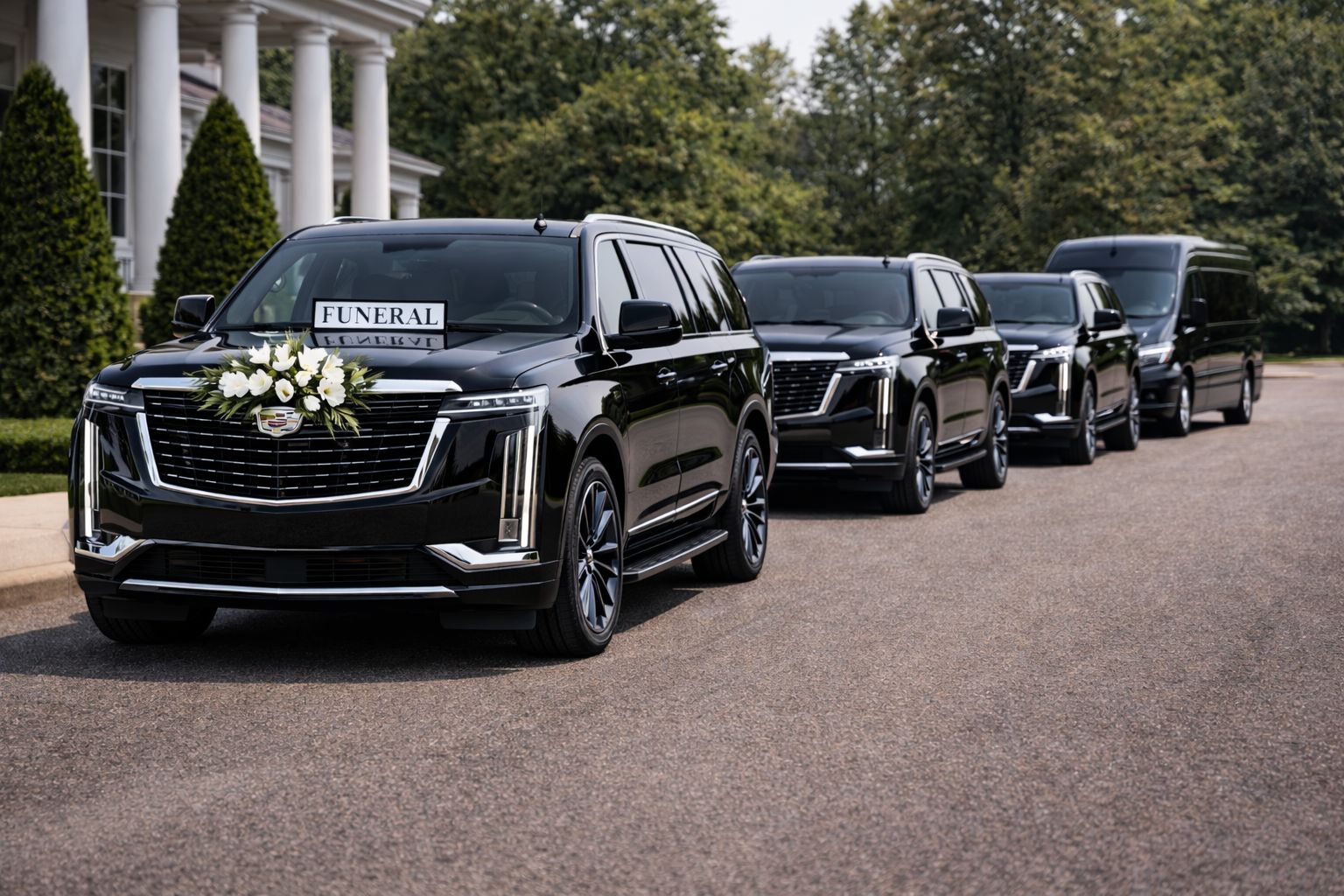
A funeral procession is a convoy of vehicles that travels together from the funeral or memorial service to the cemetery, burial site, or crematorium. The procession is led by a hearse carrying the deceased, followed by vehicles transporting immediate family members, extended family, close friends, and other mourners.
Funeral processions serve several important purposes. They provide a final act of respect and honor for the deceased, allowing the community to publicly acknowledge the loss. They keep family members together during a difficult journey, offering emotional support when it’s needed most. And practically, they ensure everyone arrives at the cemetery at the same time for the committal service.
In most states, including Washington, funeral processions have legal protections that allow them to stay together as a group, even through traffic signals and intersections. This ensures the dignity of the procession and prevents the convoy from being separated.
Understanding Funeral Procession Vehicles
The Hearse
The hearse is the specialized vehicle that carries the casket or urn. It leads the funeral procession and is typically provided by the funeral home. The hearse is designed specifically for this solemn purpose, with a long wheelbase and rear compartment configured to hold a casket securely and respectfully.
The Family Car (Lead Car)
Immediately following the hearse is the family car, sometimes called the lead car or limousine. This vehicle carries the immediate family members – typically the spouse, children, parents, and siblings of the deceased. The family car provides privacy and comfort for those closest to the departed during this emotional journey.
Traditional funeral limousines are black or dark-colored luxury sedans or stretch limousines with seating for 4-8 passengers. They offer a quiet, dignified space where family members can be together, share their grief, and support one another without the stress of driving.
Additional Family Vehicles
Depending on the size of the family and the number of close friends, additional vehicles may be arranged. These might include:
- Additional limousines or luxury sedans for extended family
- SUVs or vans for larger family groups
- Vehicles for out-of-town guests who aren’t familiar with the area
- Transportation for elderly or mobility-impaired attendees
Personal Vehicles
Behind the family vehicles, other mourners typically follow in their personal cars. These vehicles should have their headlights on and may display funeral procession flags or signs (often provided by the funeral home) to identify them as part of the procession.
Who Rides in the Family Car During a Funeral Procession?
Determining who rides in the family car can be a sensitive decision. Traditionally, the immediate family rides together in the lead family vehicle:
- Spouse or partner of the deceased
- Children (adult children or those old enough to attend the service)
- Parents of the deceased (if still living)
- Siblings of the deceased
If the immediate family is large or if there are special circumstances, additional vehicles can be arranged for:
- Extended family members (grandparents, grandchildren, aunts, uncles)
- The closest friends of the deceased
- Clergy or officiant (if traveling to the cemetery)
- Family members who flew in from out of town
- Anyone who shouldn’t drive due to emotional distress
There’s no single “right” answer for who rides in the family vehicles. The most important consideration is providing comfort and support to those who need it most. The funeral director can help you make these decisions based on your family’s specific situation.
Funeral Procession Etiquette and Rules
Legal Protections in Washington State
In Washington State, funeral processions have specific legal protections:
- Right of way: Once the lead vehicle (hearse) legally enters an intersection, the entire procession may continue through, even if the traffic signal changes to red
- Staying together: Other vehicles must yield to funeral processions to allow them to remain together
- Identification: Procession vehicles should have headlights on and may display flags, signs, or hazard lights to identify themselves
- Escort vehicles: Police escorts or funeral escorts may be used for large processions or complex routes
Procession Etiquette for Participants
If you’re part of a funeral procession, follow these guidelines:
- Turn on headlights when joining the procession
- Stay close to the vehicle in front of you (but maintain a safe following distance)
- Don’t pass other vehicles in the procession
- Don’t leave the procession until it reaches the destination
- Drive slowly and carefully – processions typically travel 30-40 mph
- Be patient if the procession is slowed by traffic or signals
Etiquette for Other Drivers
If you encounter a funeral procession on the road:
- Pull over and wait for the procession to pass (traditional but not legally required)
- Never cut into or break up a funeral procession
- Don’t honk your horn near the procession
- Be patient – the procession will pass, and you’ll only be delayed a few minutes
- Show respect – someone is saying goodbye to a loved one
The Role of Professional Transportation Services
While some families coordinate funeral transportation themselves, many choose to work with professional transportation providers. Here’s why professional services can make a difficult day easier:
Coordinating Multiple Vehicles
Professional transportation companies can coordinate multiple vehicles for family members and guests, ensuring everyone travels together safely. This is especially valuable when family members are traveling from out of town and aren’t familiar with Seattle roads or the route to the cemetery.
Removing the Burden of Driving
Grief is exhausting, both emotionally and physically. Having a professional chauffeur means family members don’t have to worry about navigation, traffic, or parking. They can focus on being together, supporting each other, and processing their emotions without the added stress of driving.
Ensuring Dignity and Professionalism
Professional transportation providers understand the solemnity of the occasion. Chauffeurs are trained to be respectful, discreet, and attentive. Vehicles are impeccably maintained and cleaned. The service is delivered with the dignity the moment deserves.
Flexible Arrangements
Professional services can accommodate various needs:
- Transportation from multiple pickup locations (hotels, homes, the funeral home)
- Vehicles suitable for mobility-impaired family members
- Return transportation after the cemetery service
- Additional stops (such as a reception or gathering after the service)
Cost of Funeral Procession Transportation
Understanding the costs involved in funeral procession transportation helps families plan and budget during an already expensive time.
What’s Typically Included
Many funeral homes include basic transportation in their service packages:
- Transfer of the deceased from place of death to funeral home
- Hearse for the procession from funeral home to cemetery
- Sometimes one family car for immediate family
Additional Transportation Costs
Additional vehicles typically cost extra:
- Family limousines: $150-400 per vehicle
- Luxury sedans or SUVs: $100-300 per vehicle
- Larger vehicles (vans): $200-500
Pricing depends on several factors including distance traveled, number of hours needed, vehicle type, and whether return transportation is required. Most services include a certain number of hours (typically 3-4 hours) with additional time billed hourly.
Ways to Manage Costs
- Use fewer vehicles by coordinating with family members who can drive
- Choose a cemetery closer to the funeral service location
- Arrange transportation through the funeral home (often bundled at lower cost)
- Consider carpooling for extended family rather than individual vehicles
Remember that while cost is a consideration, this is one of the final acts of love and respect for your departed family member. Many families find that professional transportation is worth the investment for the peace of mind and support it provides.
Planning Funeral Procession Transportation: A Checklist
When planning funeral transportation, consider these questions:
- How many vehicles do we need? Count immediate family, extended family, and out-of-town guests who need transportation
- What route will the procession take? Discuss with the funeral director and consider distance, traffic patterns, and any meaningful locations you might pass
- Do we need police or funeral escorts? Large processions or complex routes may benefit from escort services
- Who will coordinate the procession? The funeral director typically handles this, but clarify the plan
- What happens after the cemetery? Will people need transportation to a reception or back to their cars at the funeral home?
- Are there any mobility concerns? Ensure vehicles can accommodate wheelchairs, walkers, or elderly family members
- What’s the weather forecast? Have contingency plans for rain or snow
Special Considerations for Seattle Funeral Processions
Seattle Traffic and Routes
Seattle’s traffic can be challenging, especially during rush hours. When planning your funeral procession:
- Consider timing to avoid peak traffic (7-9 AM, 4-7 PM)
- Plan routes that avoid congested areas when possible
- Account for ferry schedules if traveling to island cemeteries
- Consider bridge traffic (I-90, 520) in your timing
Major Seattle Cemeteries
Common Seattle-area cemeteries include:
- Evergreen Washelli Memorial Park (North Seattle)
- Lake View Cemetery (Capitol Hill)
- Mount Pleasant Cemetery (Queen Anne)
- Acacia Memorial Park (Lake Forest Park)
- Sunset Hills Memorial Park (Bellevue)
- Calvary Cemetery (multiple locations)
Professional transportation providers familiar with Seattle know these locations and the best routes to reach them.
Cultural and Religious Considerations
Different cultures and religions have varying traditions regarding funeral processions:
- Jewish funerals traditionally proceed directly to the cemetery for burial as soon as possible
- Catholic funerals may include stops at the church and cemetery
- Military funerals often include a procession with specific protocols
- Asian traditions may involve specific route considerations or symbolic elements
Discuss any cultural or religious requirements with your funeral director and transportation provider to ensure all traditions are respected.
All Black Limo LLC provides professional and dignified funeral procession transportation throughout the Puget Sound region. Our experienced chauffeurs understand the importance of this final journey and handle every detail with care, discretion, and respect.
Call us at 206-672-8281 to discuss your family’s transportation needs. We are here to support you during this difficult time.
Frequently Asked Questions About Funeral Processions
A funeral procession is a convoy of vehicles that travels together from the funeral service location to the cemetery or memorial site. Led by a hearse carrying the deceased, the procession includes family members, close friends, and mourners traveling in coordinated vehicles. In most states including Washington, funeral processions have legal protections that allow them to stay together through intersections and receive right-of-way considerations.
The family car (also called the lead car) typically carries the immediate family members including the spouse, children, parents, and siblings of the deceased. Additional vehicles may be provided for extended family members, close friends, or out-of-town guests. The funeral home or transportation provider coordinates the seating arrangements based on family preferences and vehicle capacity.
Yes, in Washington State, funeral processions have legal protections. Once the lead vehicle (typically the hearse) enters an intersection legally, the entire procession is allowed to proceed through even if the light changes. Other vehicles must yield to funeral processions. Procession vehicles should have headlights on and may display flags or signs to identify themselves as part of the funeral procession.
Funeral transportation costs vary based on distance, number of vehicles needed, and service level. Basic transportation from funeral home to cemetery typically ranges from $150-400 per vehicle. Full-service funeral procession coordination with multiple vehicles generally costs $500-1,500 total depending on group size. Many funeral homes include basic transportation in their packages, while families can arrange additional vehicles for extended family through professional transportation providers.
Funeral attire is typically formal and conservative. Dark colors (black, navy, dark gray) are traditional and most appropriate. Men typically wear suits or dress pants with dress shirts and ties. Women wear dresses, skirts with blouses, or dress pants with conservative tops. The most important consideration is showing respect through modest, dignified attire. Follow any specific cultural or religious customs that apply to your situation.
The duration depends on the distance between the funeral service location and the cemetery. Most funeral processions travel slowly (30-40 mph) for safety and dignity. A procession covering 5-10 miles typically takes 20-30 minutes. Longer distances may take 45-60 minutes. The funeral director or transportation coordinator will provide an estimated timeline when planning the service.
Final Thoughts: Honoring Your Loved One’s Memory
Planning a funeral procession is about more than just logistics and transportation. It’s a final act of love and respect for someone who mattered to you. The funeral procession provides a moment for family and community to come together, to honor a life lived, and to support one another through grief.
Whether you choose to arrange transportation through your funeral home, hire a professional transportation service, or coordinate vehicles among family members, the most important thing is that the arrangement fits your family’s needs and honors your loved one’s memory in a way that feels right to you.
During this difficult time, don’t hesitate to ask for help. Funeral directors, transportation providers, and your community are there to support you. Focus on being with your family, remembering your loved one, and allowing yourself to grieve. Let professionals handle the details of getting everyone safely from the service to the final resting place.
Our thoughts are with you and your family during this challenging time.